Funding the people's way
Rather than rely on a handful of deep-pocketed financiers, the campaign has built a contribution platform open to ordinary citizens. Supporters can give as little as Sh50, a deliberate choice meant to keep ownership of the bid with voters.
Campaign organisers say the model is designed to protect the candidate's independence and to demonstrate broad-based support ahead of the polls. A candidate who owes his campaign to thousands of small donors, the thinking goes, owes nothing to any single patron.
It is also a test of message. If a campaign built on integrity cannot raise money cleanly, the argument loses force. The early returns are being read by Maraga's team as proof of concept.
What the money will do
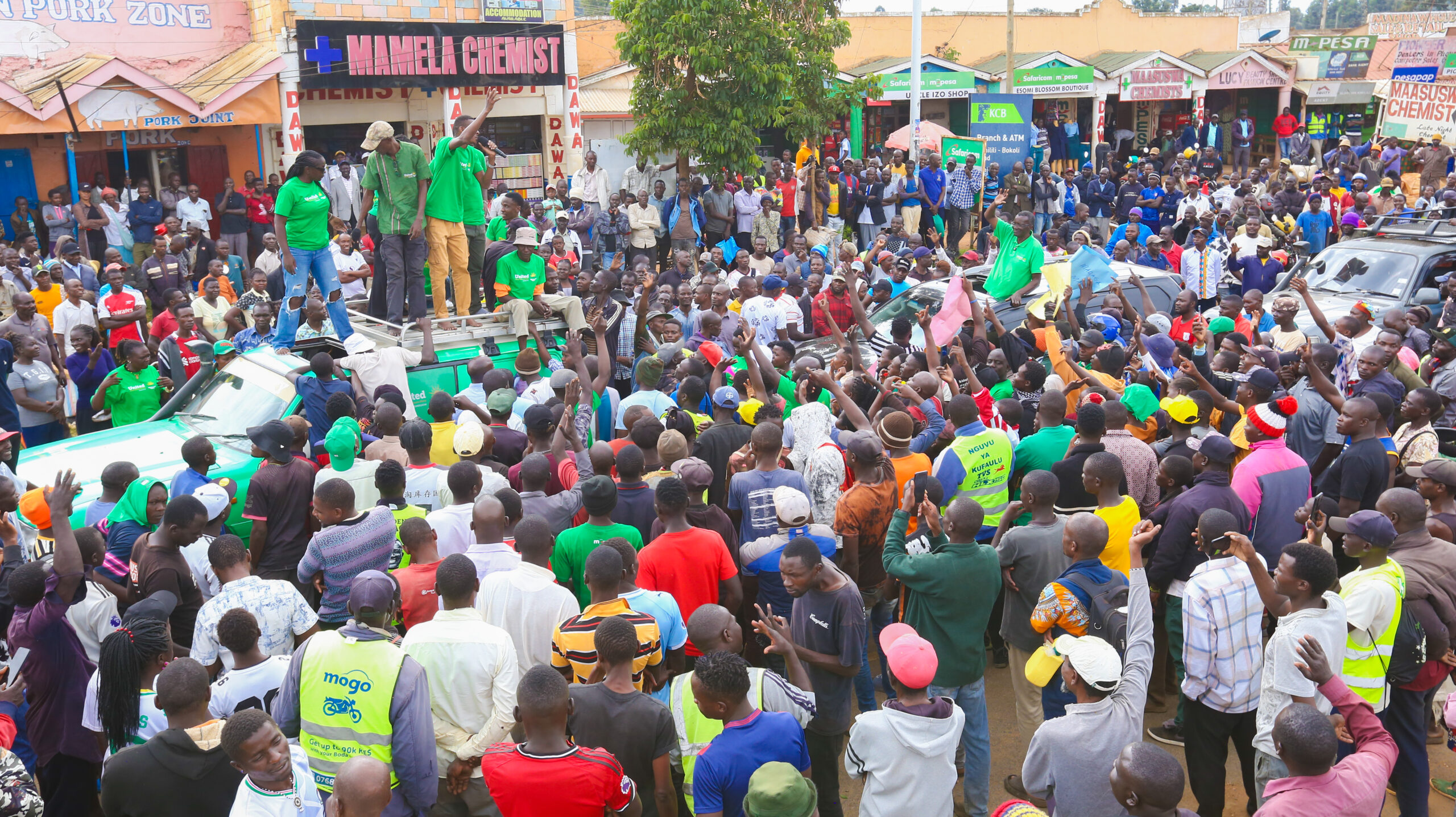
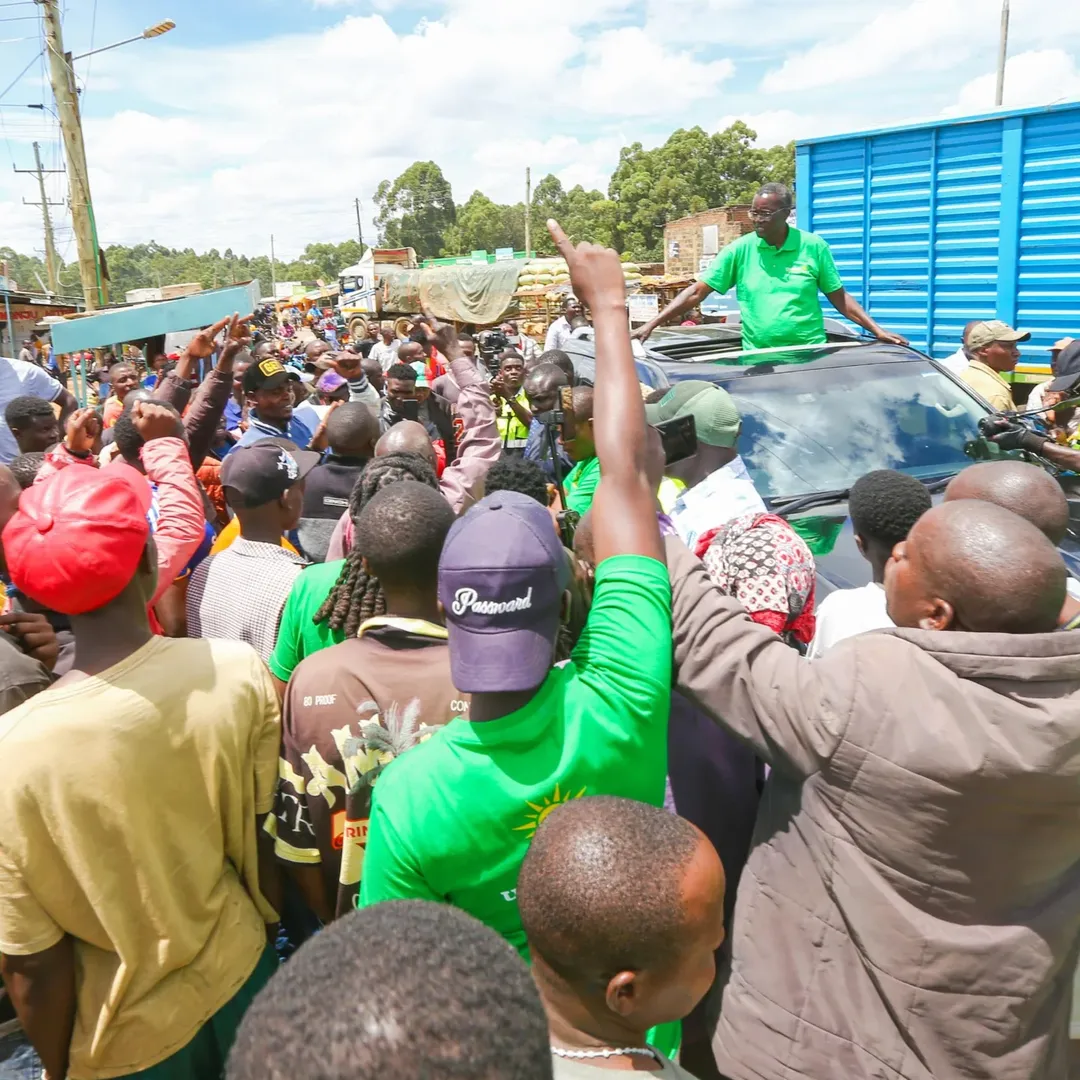
Contributions are earmarked for grassroots mobilisation, campaign events and town halls, digital outreach and a national network of volunteers.
For Maraga's team, the early momentum is as much a message as it is a war chest: proof that a campaign anchored on integrity can be financed by the public it hopes to serve.
The diaspora's role has been notable. Kenyans abroad, often among the most vocal critics of corruption back home, have given the campaign both money and a sense that its appeal reaches beyond any single region or constituency.
A long road to 2027
Eight million shillings is modest against the cost of a national campaign, and Maraga's team is candid that the figure matters more as a signal than as a sum.
The goal over the coming months is to widen the base of contributors, deepen the volunteer network, and convert online enthusiasm into the ground organisation that ultimately wins votes. The fundraising drive is, in that sense, the opening argument of the campaign rather than its conclusion.